Introduction: Sustainable Comfort with Heat Pumps
As homeowners look for ways to reduce energy usage and environmental impact, heat pumps have become a popular choice for heating and cooling. These versatile systems provide year-round climate control, offering warmth during the winter and cool air in the summer, making them an all-in-one solution. Unlike traditional systems that rely on fuel combustion or resistive electric heating, heat pumps transfer heat, which is more energy-efficient and cost-effective.
In this post, we’ll explore how heat pumps work, their benefits, types, installation process, and what makes them an eco-friendly choice for year-round home comfort.

What is a Heat Pump and How Does it Work?
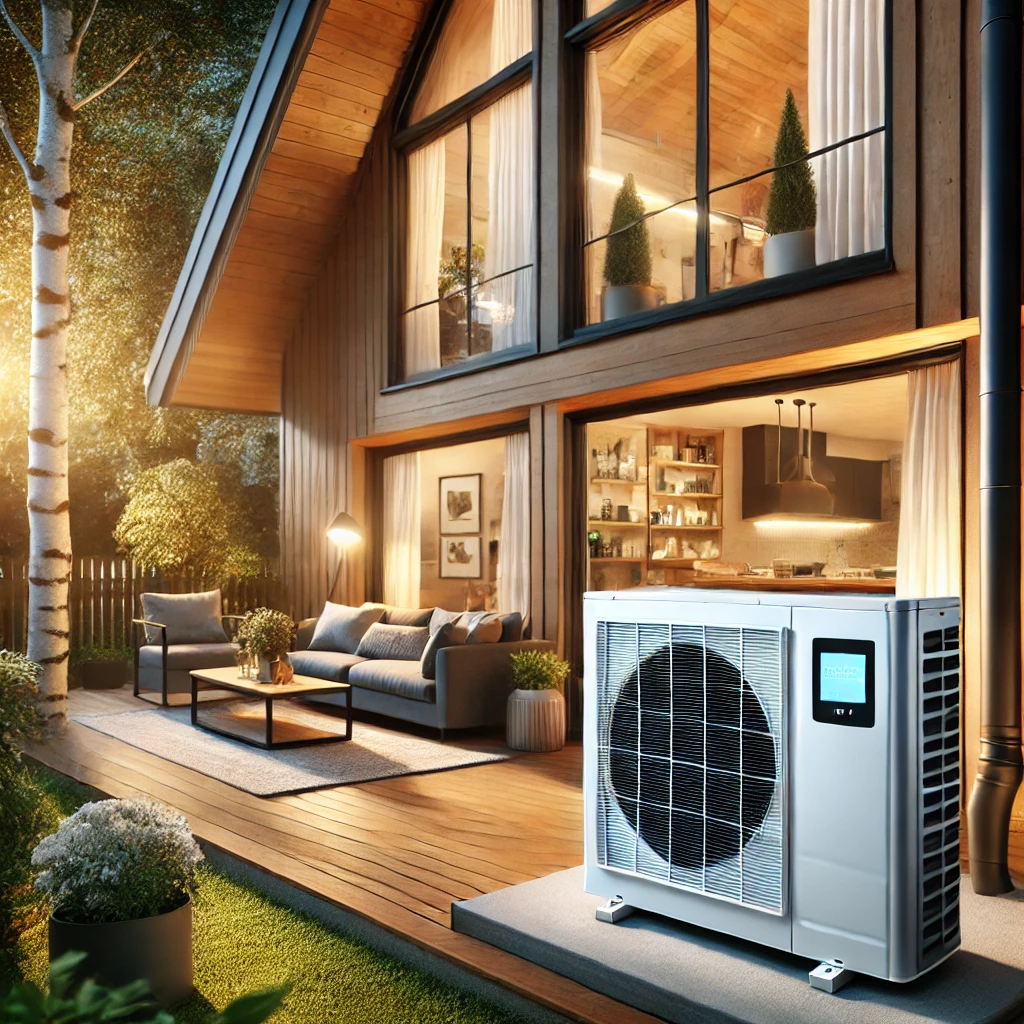
A heat pump is an HVAC system that transfers heat from one place to another rather than generating it. By leveraging the natural properties of refrigerants, heat pumps can absorb heat from the outdoor air, ground, or water and move it indoors in the winter, and in the summer, reverse the process to cool the home. This versatility allows a heat pump to act as both a heater and an air conditioner.
How Heat Pumps Operate
- Heating Mode: During colder months, the pump absorbs heat from the outside air or ground and transfers it inside, even when outdoor temperatures are low.
- Cooling Mode: In the summer, the heat pump reverses, moving indoor heat outside to cool the home.
Top Benefits of Installing a Heat Pump
- Year-Round Climate Control in One System Unlike traditional systems that require separate units for heating and cooling, a heat pump can manage both, providing an all-in-one solution. This capability eliminates the need for two separate systems, making it easier to maintain and control.
- Energy Efficiency and Cost SavingsHeat pumps are known for their high energy efficiency. Because they transfer heat rather than generate it, they can achieve efficiency rates of up to 400%, meaning they produce more energy than they consume. For every unit of electricity used, a heat pump can transfer up to four units of heat, resulting in significant savings on energy bills.
- Environmentally Friendly Heating and CoolingHeat pumps use less electricity and don’t burn fossil fuels to produce heat, which makes them an eco-friendly choice. By reducing reliance on fossil fuels, homeowners can lower their carbon footprint and contribute to a more sustainable environment.
- Consistent and Comfortable Temperature ControlHeat pumps provide even heating and cooling, preventing the hot and cold spots that can occur with other systems. Many models also come with advanced thermostats and zoning options, allowing for precise control over indoor temperatures.
- Quiet OperationModern heat pumps are designed to operate quietly, making them ideal for residential use. Unlike conventional systems that may generate loud noises during operation, heat pumps run smoothly, offering a quieter home environment.
Types of Heat Pumps and Choosing the Right One for Your Home
There are several types of heat pumps, each suited to different climates, property layouts, and energy goals. Here’s an overview of the main types:
Air-Source Heat Pumps
Air-source heat pumps are the most common and work by transferring heat between the indoor and outdoor air. They are highly efficient, easy to install, and suitable for mild to moderate climates. Newer models are designed to operate effectively even in colder temperatures, making them an increasingly popular choice in various regions.
Ground-Source (Geothermal) Heat Pumps
Ground-source heat pumps, also known as geothermal heat pumps, use the stable temperatures below ground as a heat source in winter and a heat sink in summer. These systems are more efficient than air-source pumps and can offer greater long-term savings. While the initial installation cost can be higher due to ground loop installation, the efficiency and longevity of geothermal heat pumps make them an excellent investment.
Ductless Mini-Split Heat Pumps
Ductless mini-split systems are ideal for homes without existing ductwork or for specific zones within a home. Each indoor unit connects to an outdoor compressor and can be controlled independently, providing customized temperature control in different areas. These systems are particularly energy-efficient because they avoid the energy losses associated with ductwork.
The Heat Pump Installation Process
Installing a heat pump requires careful planning to ensure optimal efficiency and longevity. Here’s what to expect during the installation process:
1. Home Assessment
Before installation, a technician will assess your home’s layout, square footage, and existing HVAC system to determine the right type and size of heat pump. The assessment includes evaluating insulation, windows, and doors to ensure the heat pump can efficiently meet the home’s heating and cooling needs.
2. Sizing the System
Correctly sizing a heat pump is critical. If the unit is too small, it won’t provide adequate heating or cooling; if it’s too large, it will cycle on and off frequently, reducing efficiency and lifespan. A professional HVAC installer uses specific calculations to determine the right size for your home.
3. Installation and Setup
The actual installation process involves setting up the outdoor unit, connecting refrigerant lines, installing any indoor air handlers or ducts, and testing the system. Ground-source heat pumps require additional steps to install ground loops, either horizontally or vertically, depending on available space.
4. System Testing and Calibration
Once installed, the technician tests and calibrates the system to ensure it runs smoothly and efficiently. This includes checking refrigerant levels, testing airflow, and ensuring the thermostat functions properly.

Cost Savings with Heat Pumps
Investing in a heat pump can offer long-term cost savings due to its high efficiency and low operating costs. Here’s how a heat pump can help reduce your expenses:
- Lower Monthly Energy Bills: Heat pumps use minimal electricity and provide up to four times the amount of energy they consume, leading to significant energy savings compared to traditional heating and cooling systems.
- Tax Credits and Incentives: Many governments offer tax credits, rebates, or incentives for installing energy-efficient systems like heat pumps. These incentives can help offset the initial installation cost.
- Reduced Maintenance Costs: Since heat pumps combine heating and cooling, they require less overall maintenance compared to having separate systems. Regular maintenance can extend the system’s life and keep it operating at peak efficiency.
Maintenance Tips for Optimal Heat Pump Performance
Regular maintenance is essential to ensure that your heat pump runs efficiently and lasts as long as possible. Here are some tips to keep your system in top shape:
- Schedule Annual Inspections
Have a technician inspect your heat pump at least once a year to check for issues, clean coils, and verify refrigerant levels. - Replace or Clean Filters
Dirty filters restrict airflow and reduce efficiency. Clean or replace filters monthly or as recommended by the manufacturer. - Clean Outdoor Units
Keep the outdoor unit free of leaves, dirt, and debris to ensure proper airflow. Trim any bushes or plants that are too close to the unit. - Monitor Thermostat Settings
Use the thermostat to set comfortable yet energy-efficient temperatures. Many modern heat pumps include programmable thermostats that adjust automatically based on your schedule. - Listen for Unusual Sounds
Unusual noises can indicate mechanical issues. If you hear rattling, grinding, or hissing sounds, contact a technician to inspect the system.
Why Heat Pumps are an Eco-Friendly Choice
For environmentally conscious homeowners, heat pumps are an excellent choice. By transferring heat rather than generating it, they significantly reduce the energy required for heating and cooling, leading to a lower carbon footprint. Additionally, since they use electricity rather than fossil fuels, heat pumps produce fewer greenhouse gases, contributing to cleaner air and a healthier planet.
In regions where renewable energy sources like solar or wind power are available, heat pumps can be powered by renewable electricity, making them even more sustainable.
Heat Pumps Offer Year-Round Comfort with Cost and Environmental Benefits
Heat pumps are a versatile, energy-efficient solution for both heating and cooling, providing year-round comfort while reducing energy usage and costs. Whether you choose an air-source, geothermal, or ductless mini-split model, a heat pump offers an eco-friendly way to keep your home comfortable in every season. With the potential for tax incentives and energy savings, installing a heat pump is a smart investment in your home and the environment.